
Reuse of post mercerization washing water
Technical description
The mercerization process is carried out for cotton woven fabric, not necessarily but depending on the final product quality. Mercerization is applied to improve properties such as fiber strength, shrinkage resistance, luster, and dye affinity/uptake. In this process, fabric is treated with a caustic soda (NaOH) solution of high concentration under tension (Figure 1 and Figure 2). Caustic soda reacts with the cellulose, swells it, and imparts the above properties.
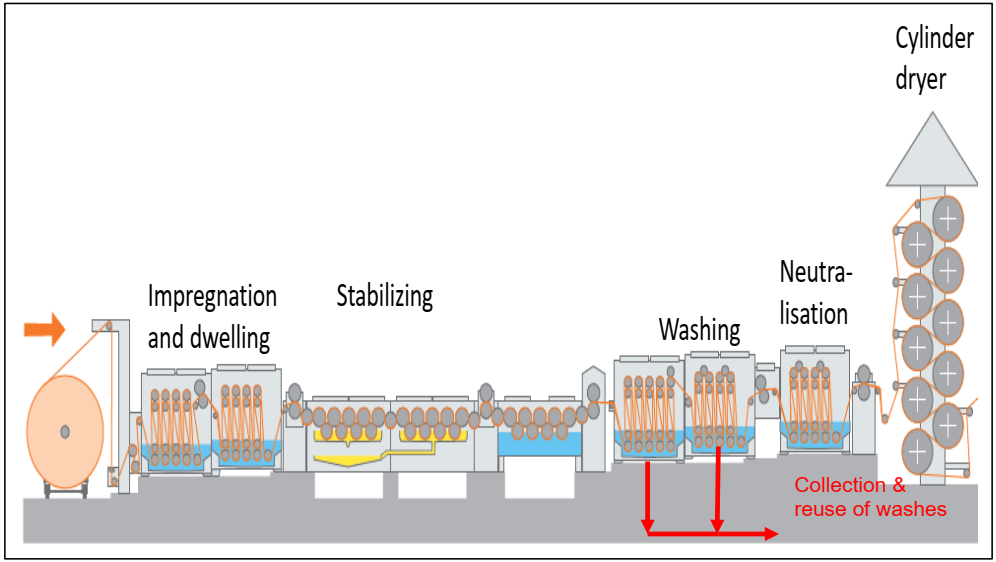
Figure 1: Example of a mercerization process
Source: based on Benninger AG – Mercerizing Solutions;
https://www.benningergroup.com/fileadmin/user_upload/downloads/textile_finishing/only_en/mercerizing_en.pdf)
In the mercerization machines, the fabric is first allowed to dip into the caustic soda solution of the required concentration (generally 22 to 28 oBé), provided a certain residence time for the reaction between fabric and caustic soda and then finally washed to remove unreacted caustic soda from the fabric. The first and/or second wash box water contains a substantial amount of caustic soda (6 to 7 oBé) which is collected and reused and also sent to the Caustic Soda Recovery Plant (CRP) for concentrating and reusing in the mercerization process. After the first and/or second wash box, further hot washes, at a temperature of 80oC to 90oC are applied in three to four wash boxes to remove traces of caustic soda from the fabric. The discharged washing water is alkaline and contains a very low concentration of caustic soda. This water can be collected in the storage tank and reused as washing water for desizing wash, post-scouring wash or post-bleaching wash, generally in the continuous pretreatment machine. In this way, not only water but also energy will be saved.
Note: Generally, textile finishing industries receive caustic soda of 50% oBé and dilute it to 22 to 28 oBé by adding water in it. Instead of using fresh water, the discharged washing water of the mercerization machine can also be used for dilution purposes which will not only reduce water consumption but also caustic soda consumption.
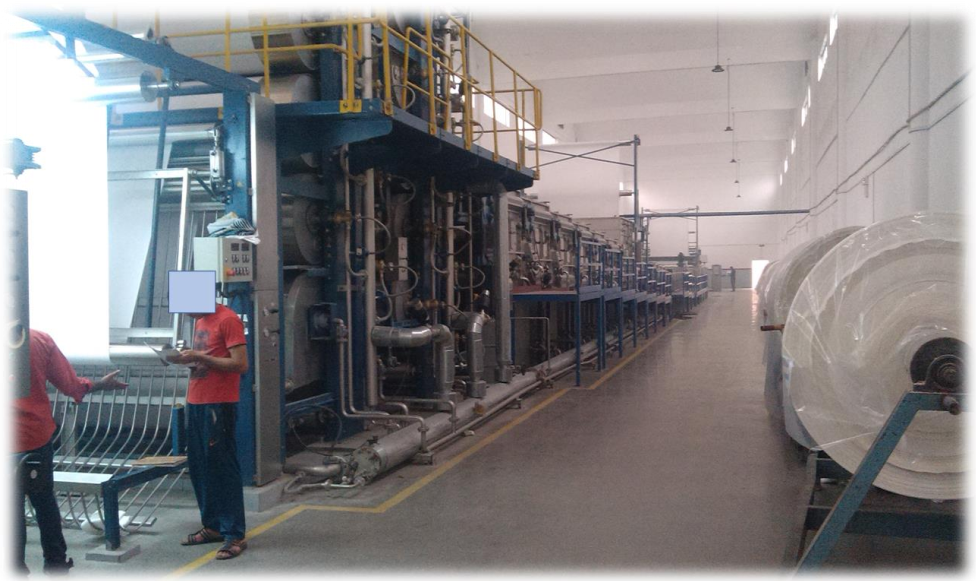
Figure 2: Example of mercerization machine for cotton woven fabric
Achieved environmental benefits:
- Water conservation
- Reduction in thermal energy (hot water will require less steam for heating when used for hot washes)
- Reduction in greenhouse gases
- Reduction in the hydraulic load of the wastewater treatment plant
Operational data:
The quantity of post-mercerization hot washing water from one mercerization machine varies from industry to industry and can be in the range of 50 to 150 m3/day (15,000 - 45,000 m3/yr). The value of this hot water is about USD 14,200 to 42,667 (Rs. 2.13 to 6.40 million/yr).
The implementation cost would be USD 3,333 (Rs. 500,000) for the storage tank, pipes, valves, and pump.
Cross-media effects:
No relevant cross-media effect is known.
Technical considerations relevant to applicability:
This measure is applicable to all the textile finishing industries where mercerization is carried out at continuous mercerization machines. This measure does not require any intervention in the process, no major infrastructure development, and no technical human resource requirement. The washing water will be collected in the storage tank and pumped to the pretreatment machine. The already existing infrastructure at the pretreatment machine for water and steam supply will remain intact and used in case the mercerization process is not operational to avoid dependency of the pretreatment machine on the mercerization process.
Economics:
Capital cost = USD 2,000 – 3,333 (Rs. 300,000 - 500,000)
Annual saving = USD 14,200 to 42,667 (Rs. 2.13 to 6.40 million)
Annual O&M cost = USD 2,667 – 4,000 (Rs. 400,000 - 600,000)
Simple payback period = 1 - 2 months
Additional benefits will be the reduction in hydraulic load and treatment cost of the wastewater treatment plant.
Driving force for implementation:
- Financial benefits
- Resource conservation
- Sustainability of textile business
Reference industry:
This measure is relevant for all the textile finishing industries where mercerization is carried out in continuous mercerization machines.
Back